Focused arrival windows
Useful updates and clear arrival timing.
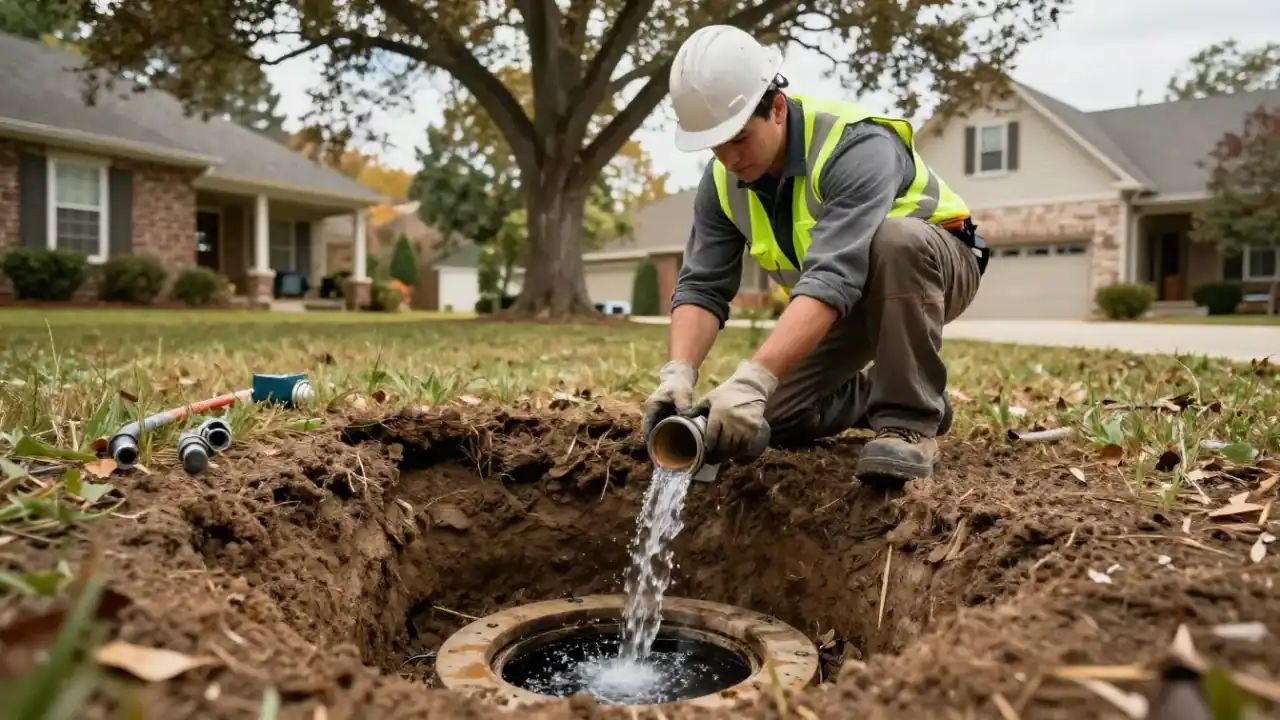
When your sewer line sags or shifts, waste pools, roots move in, and backups follow. Our bellied pipe repair Roswell GA crews locate the low spot with a sewer camera, then correct it using trenchless methods that protect your lawn and driveway. We handle offset pipe repair Roswell GA for homeowners across Fulton County, from Martin's Landing to Horseshoe Bend. Same-day camera inspections, upfront pricing, and work that passes inspection.
Useful updates and clear arrival timing.
Review the approach and price before deciding.
Equipped vehicles and respectful cleanup.
Neighbors serving neighbors with follow-through.
Every repair is different, but here is what a standard bellied or offset pipe repair covers. We tell you upfront if your job needs something outside this list, and we quote it before we start.
Full sewer camera run before and after the repair. You get the video files, the depth of the defect, and a written summary you can hand to an insurer, buyer, or attorney.
Hydro-jetting or cable cutting to clear grease, scale, and roots so the repair tools can pass. Heavy root masses come out with a root cutter before any pipe work begins.
The core of the job: re-bedding a sagging section on compacted stone to restore fall, or cutting out a shifted joint and reconnecting with a flexible coupling or short liner.
CIPP lining or pipe bursting when the line qualifies. We assess pipe condition, depth, and access, then recommend the method that fixes the defect without tearing up your whole yard.
Backfill, compaction, and topsoil replacement on every access pit. We haul off debris, wash down the work area, and leave your yard ready for sod or seed.
Written warranty on the repaired section and manufacturer coverage on liner installations. You get the paperwork by email the same day the job closes out.
Share what is happening and receive a clear next step from the local team.
A bellied pipe is a section of sewer line that has lost its slope and sagged into a low spot. Waste and water sit there instead of draining, which is why you get repeated clogs in the same fixture. An offset pipe is different: two sections have shifted out of alignment, leaving a lip that catches paper, grease, and roots. Repair means restoring the grade or reconnecting the joint, and in most Roswell yards we do it without digging up the whole line.
Roswell's older neighborhoods sit on a mix of clay, tree roots, and decades-old clay tile or cast iron laterals. Summer storms saturate the soil, and that ground movement is what pushes a line out of grade. If you have been searching bellied sewer line repair near me Roswell, the first step is a camera inspection to measure exactly how deep the belly is and how far the offset has shifted. We give you the footage and a straight answer on repair options.
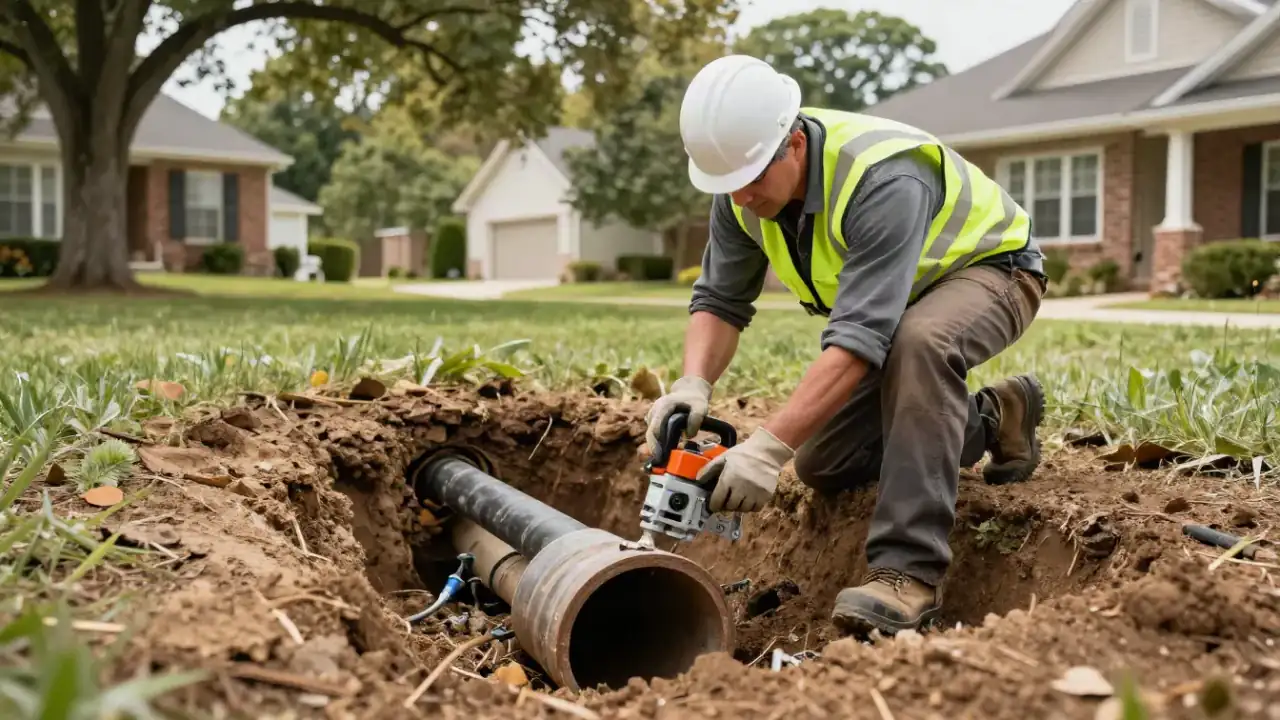
We run a RIDGID sewer camera down the cleanout and record the full line. You watch the screen with us. We mark the depth of the belly or the size of the offset, note root intrusion, and measure how much pipe is affected. Most inspections take 45 to 60 minutes.
A pipe locator traces the camera head above ground, and we paint the route across your yard. That tells us exactly where to dig the access pits and how deep the line sits. In Roswell, laterals commonly run 4 to 8 feet down depending on the slope of the lot.
Before any repair, we hydro-jet or auger the line clean. Roots, grease, and scale have to come out so the camera and the repair tools can pass. A Vactor truck handles heavy debris on larger lines; a root cutter on a Spartan Tool cable clears the tough stuff.
For a belly, we re-establish grade by removing the sagging section and re-bedding new PVC pipe on compacted stone. For an offset, we cut out the shifted joint and reconnect with a flexible coupling or a short CIPP liner. Either way, the line gets its fall back.
We camera the repaired section again and show you the footage. Then we backfill, compact, and restore the surface. You get a written summary of what was repaired, the materials used, and the warranty terms before we pull out of the driveway.
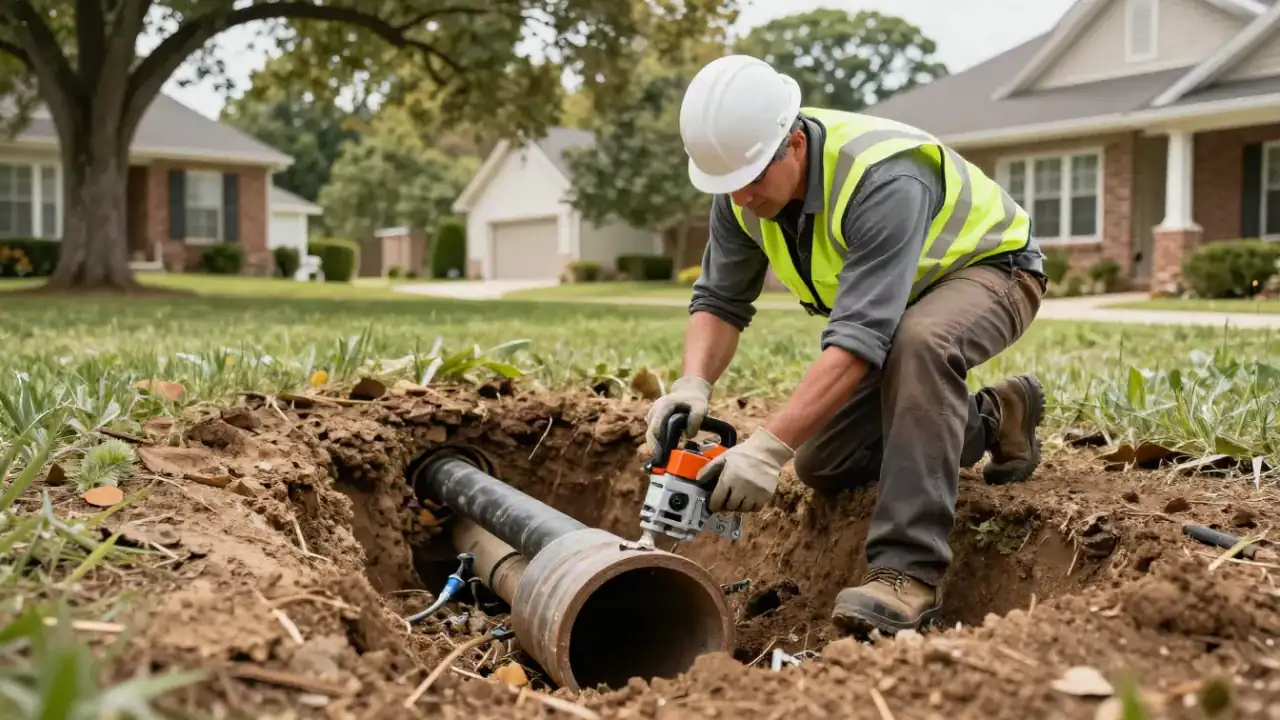
Records the inside of the line so we can measure the belly, size the offset, and show you the defect on screen before quoting a repair.
Traces the camera head above ground so we know exactly where to dig. It keeps access pits small and protects irrigation, gas, and electrical lines.
Clears grease, scale, and soft roots at high pressure. A clean line lets the camera and repair tools pass without snagging.
Cuts heavy root masses that jetting cannot remove. We run it on a Spartan Tool cable for tough intrusions at offset joints.
Inverts and cures an epoxy-saturated liner inside the pipe, creating a smooth, root-proof section without excavation.
Pulls new HDPE pipe through the old line while fracturing it outward. Ideal when a belly sits under a driveway or mature tree.
Every liner job follows NASSCO inspection and installation standards. That means proper cleaning, calibration, cure times, and a post-install camera pass before we call the job done.
We pull new HDPE pipe through the existing line, upsizing when needed. The old pipe fractures outward into the soil, so the trench is limited to entry and exit pits.
For a true belly, we remove the sagging section and re-bed new PVC pipe on compacted stone at the correct fall. This is the most reliable fix when the pipe itself is still sound.
For an offset, we cut out the shifted joint and reconnect with a flexible coupling. It absorbs minor future movement and keeps the line aligned.
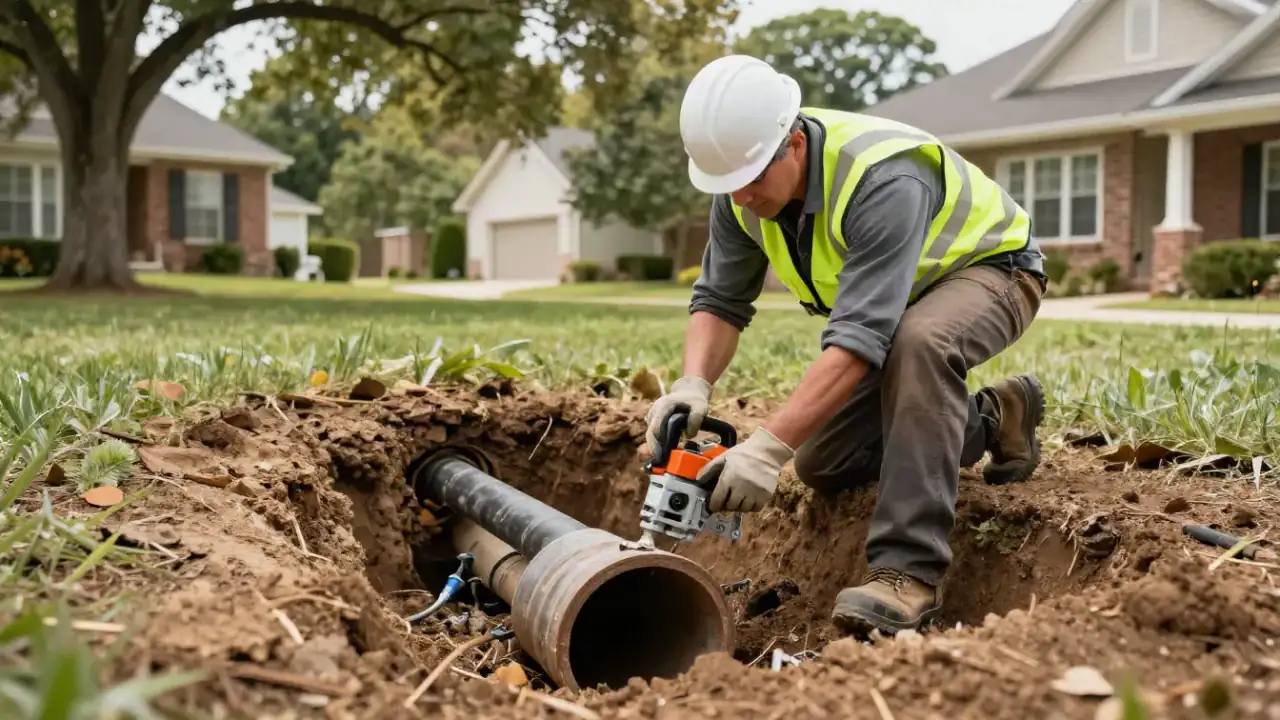
We camera the line, document the defect, and repair it before closing. You get before-and-after footage and a written summary for the buyer and their agent. The repair clears the inspection contingency and the sale closes on schedule.
We inspect the full run, identify the sagging section, and correct the grade or install a CIPP liner depending on pipe condition and depth. The repeat backups stop, and you are not paying for the same jetting call every quarter.
We cut the roots with a root cutter, repair the shifted joint, and treat the line to slow regrowth. If the pipe is cracked, we line that section. The line flows freely again and the root entry point is sealed.
We assess whether pipe bursting or CIPP lining can fix the section without cutting concrete, then complete the repair and provide documentation. The line is corrected without destroying the driveway, and you have footage proving the fix.
Roswell sits on heavy clay soil that swells when wet and shrinks when dry. That cycle moves pipe joints, and it is the main reason we see so many offset sewer pipe repair Roswell GA jobs in older neighborhoods. Homes built before 1985 often have clay tile or cast iron laterals bedded directly in that clay, with no stone under them. Add mature pines and oaks, and you get roots prying at every joint. Our wet winters push the water table up, which saturates the trench and lets a belly settle deeper. Summer droughts do the opposite and crack brittle pipe. We schedule most repairs in fall and spring when the ground is workable, but backups do not wait for good weather. If you need 24/7 bellied pipe repair Roswell GA, we run emergency calls year-round. Permits for work in the Fulton County right-of-way go through the city, and we handle that paperwork for you.
Older homes with original clay tile laterals and mature shade trees. Offsets and root intrusion are common, and access is often tight between established landscaping.
Large subdivision with a mix of pipe ages. We see bellies where original lines were bedded in clay without stone, especially on sloped lots near the river.
Wooded lots with heavy pine and oak root pressure. Root intrusion at offset joints is the most frequent call we get here.
Long driveways and mature landscaping mean trenchless methods matter. Pipe bursting and CIPP lining keep the repair away from concrete and plantings.
Wet and dry cycles shift joints and settle trenches. It is the leading cause of both bellies and offsets in Roswell laterals.
Roots find offset joints fast and widen them over time. We cut and seal the entry point, then treat the line to slow regrowth.
Pipe installed before the mid-1980s is brittle and often under-bedded. These lines are prime candidates for pipe bursting or CIPP lining.
Wet winters saturate the trench and let a belly settle deeper. We schedule most corrective work in fall and spring when the ground is stable.
A 1978 clay tile lateral had settled about 3 inches over a 12-foot run. The downstairs toilet backed up every six to eight weeks. Two prior jetting calls cleared it temporarily, but the belly stayed and the clogs kept returning.
We excavated one 4-by-4 access pit, cut out the sagging section, and re-bedded new PVC on compacted stone at the correct fall. Post-repair camera footage showed a clean, straight run. No backups in the 14 months since.
Maintenance: We recommend a camera check every two to three years and an annual RootX treatment if trees are within 10 feet of the line. Both are inexpensive compared to another repair.
A cast iron lateral had shifted about 1.5 inches at a joint, and a pine root mass had grown through the gap. The line drained slowly and smelled in the yard after rain. The homeowner was ready to replace the whole lateral.
We cut the roots, repaired the offset joint with a flexible coupling, and lined the adjacent 8 feet with CIPP. Total work time was one day. Camera footage confirmed a sealed, aligned line, and the yard smell cleared within a week.
Maintenance: RootX treatment each spring keeps new roots from probing the joint. A camera check at the two-year mark confirms the liner is holding.
A 20-foot section of clay tile had sagged under a concrete driveway. The homeowner faced either cutting the concrete or replacing the line. Two fixtures drained slowly and the laundry sink gurgled whenever the washer ran.
We used pipe bursting to pull new HDPE pipe through the old line, upsizing from 4 to 4 inches and leaving the driveway untouched. The whole job took two days. Drain times returned to normal immediately.
Maintenance: HDPE is root-resistant at the joints, so maintenance is minimal. We suggest a camera check every three years and keeping the cleanout accessible.
A belly or offset shows up in predictable ways. If any of these sound familiar, a camera inspection will tell you what is actually happening in the line.
Repeated clogs mean waste is sitting in a low spot. Each jetting clears it temporarily, but the belly stays and the clog returns. Left alone, the line eventually plugs completely. We camera the line, measure the belly, and correct the grade so water and solids keep moving. Most customers stop seeing backups within the first week after repair.
An offset joint or a cracked section lets gas escape and groundwater seep in. The smell is a warning that the pipe is no longer sealed and the problem is spreading. We locate the defect with a pipe locator, open a small access pit, and repair the joint or line the section. After the fix, we camera the line to confirm the seal.
When every fixture drains slowly, the restriction is usually in the main lateral, not the individual traps. A belly or offset near the property line is a common cause. We clear the line, inspect the full run, and repair the defect causing the restriction. If the pipe is too far gone, we recommend pipe bursting or a CIPP liner.
Roots enter at the lip of an offset or a crack. Cutting them out without fixing the opening just invites them back next season, and each regrowth is thicker than the last. We cut the roots, repair the joint or line the pipe, then treat the line with RootX to discourage regrowth. The opening is sealed, so roots have nothing to grab.
$1,800 - $6,500 depending on scope
Typical 2026 pricing in Roswell runs $1,800 to $6,500 for a bellied or offset repair, with most jobs landing in the $2,500 to $4,500 range. Camera inspection is $250 to $450 and we credit part of it toward the repair when you book. Spot repairs through one access pit sit at the low end. Longer runs, deeper lines, driveway crossings, and CIPP or pipe bursting work push toward the top. We quote the full job upfront, so you know the number before we cut ground.
A correct repair ends the cycle of repeat jetting calls, protects your yard, and gives you documented footage for insurance or resale. Doing it once, properly, is almost always cheaper than three temporary fixes.
Roswell laterals commonly sit 4 to 8 feet down. Every additional foot of depth means more excavation, more shoring, and more time. Deep lines are the single biggest driver of cost.
A short sagging section or one offset joint is a spot repair. A belly that runs 20 feet or more usually means replacing or lining that whole stretch, which raises the price accordingly.
Re-bedding pipe through an access pit is the least expensive fix. CIPP lining and pipe bursting cost more because of materials and equipment, but they avoid tearing up driveways and mature landscaping.
Grass and soil are easy to restore. Concrete, pavers, and driveways add cost if we have to cut and replace them, which is why we lean on trenchless methods in those spots.
Sound PVC or cast iron can often be spot-repaired. Crushed clay tile or Orangeburg usually needs replacement or lining, and that changes both the scope and the price.
Work in the Fulton County right-of-way requires a permit and traffic control. We handle the paperwork, but it adds time and cost to jobs near the property line.
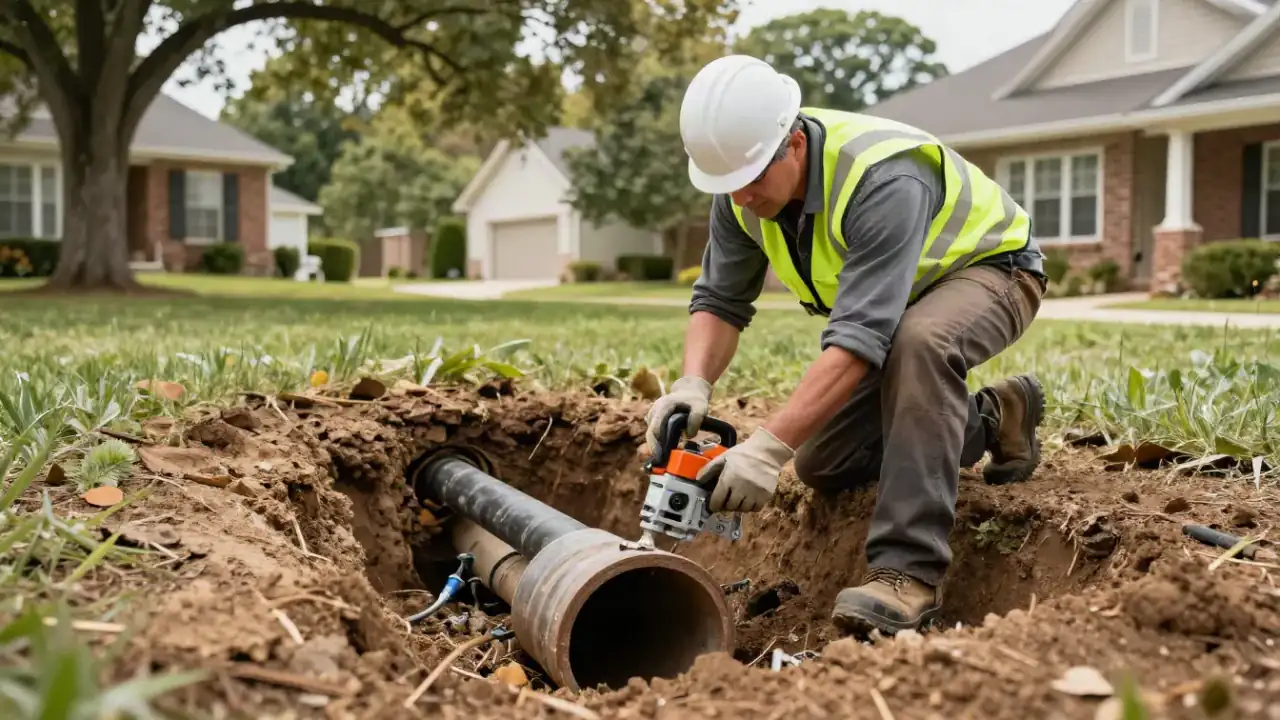
Our technicians hold a Georgia Plumbing Contractor License and work under NASSCO CIPP certification standards on every liner job. We run confined space entry certification for manhole work and OSHA 30 training on every crew. That matters when a repair puts a tech 8 feet underground in a Fulton County right-of-way. We have corrected bellies and offsets in clay tile, cast iron, PVC, and Orangeburg lines across Roswell, and we document every job with camera footage so you can see the before and after yourself.
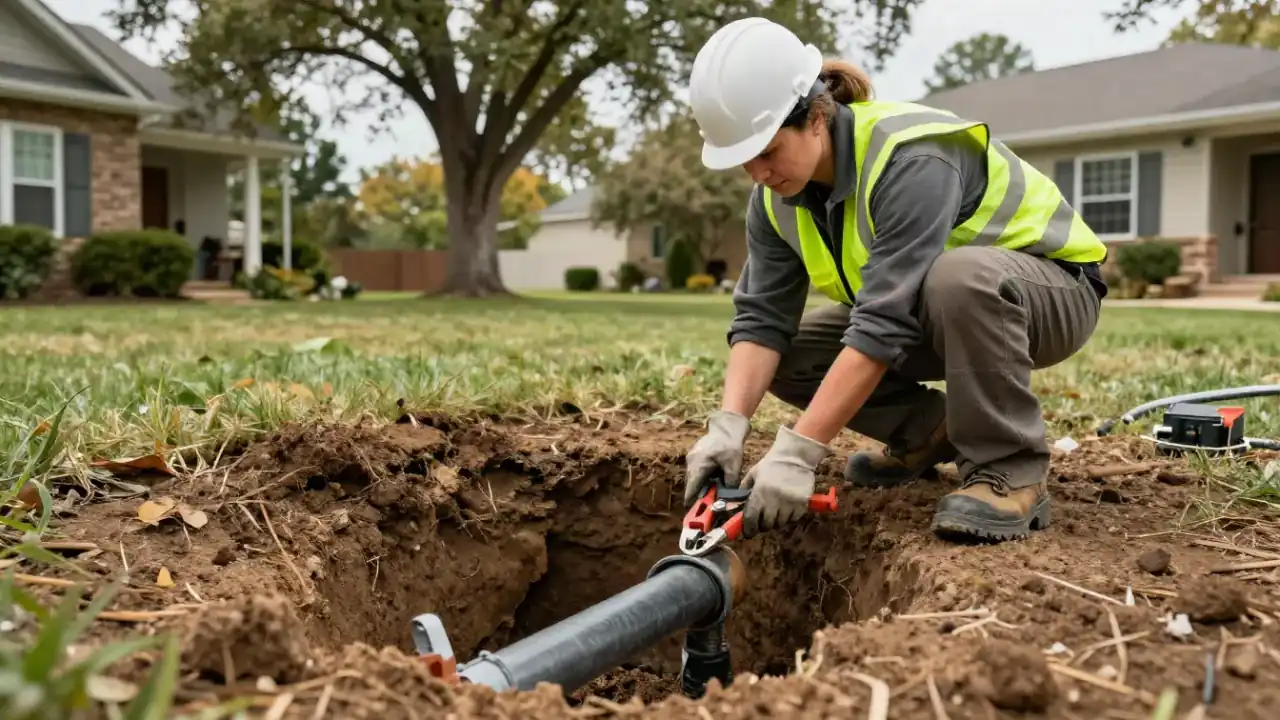
We had the same downstairs toilet backing up every couple of months for two years. Two other companies just jetted it. These guys ran a camera and showed me a belly about 30 feet out where the line had settled. They fixed it through one small pit in the yard and I have not had a backup since. Grass grew back in three weeks.
Our inspection before selling turned up an offset joint with roots through it. The buyer's agent wanted it fixed before closing. The crew came out, cut the roots, replaced the joint, and sent us the after video the same day. Closing stayed on schedule. Straightforward pricing, no drama.
A CIPP liner job on a sagging clay tile line under our driveway. They explained why digging it up would have cost triple and wrecked the concrete. One day of work, no mess, and the camera footage afterward looked like a new pipe. Worth every dollar.
Most bellied pipe repairs in Roswell run $1,800 to $6,500 in 2026, depending on depth, length, and method. A short spot repair through one access pit sits at the low end. A full section replacement under a driveway or a CIPP liner job runs higher. Camera inspection is a separate $250 to $450 and we credit part of it toward the repair when you book with us.
Often, yes. If the belly is shallow and the pipe is still structurally sound, we can re-round and line the section with a CIPP liner, or use pipe bursting to pull new HDPE pipe through the old line. Both methods need only small access pits at each end. If the pipe has collapsed or the grade loss is severe, we excavate that section and re-bed it properly.
Ground movement is the main cause. Roswell's clay soils expand and contract with our wet winters and dry summers, and that shifts pipe joints over time. Tree roots prying at a joint, older clay tile that was never bedded on stone, and decades of traffic loading over a shallow line all contribute. Once a joint shifts, the lip catches debris and the offset grows.
Homeowner policies usually exclude gradual ground movement and normal wear, which is what causes most bellies and offsets. Some policies cover sudden collapse or damage from a specific event. We provide camera footage, a written repair summary, and itemized invoicing so you have what your adjuster needs to review the claim.
Not seeing your question? Our local team can help you understand urgency, scheduling and what to expect.
Ask the local team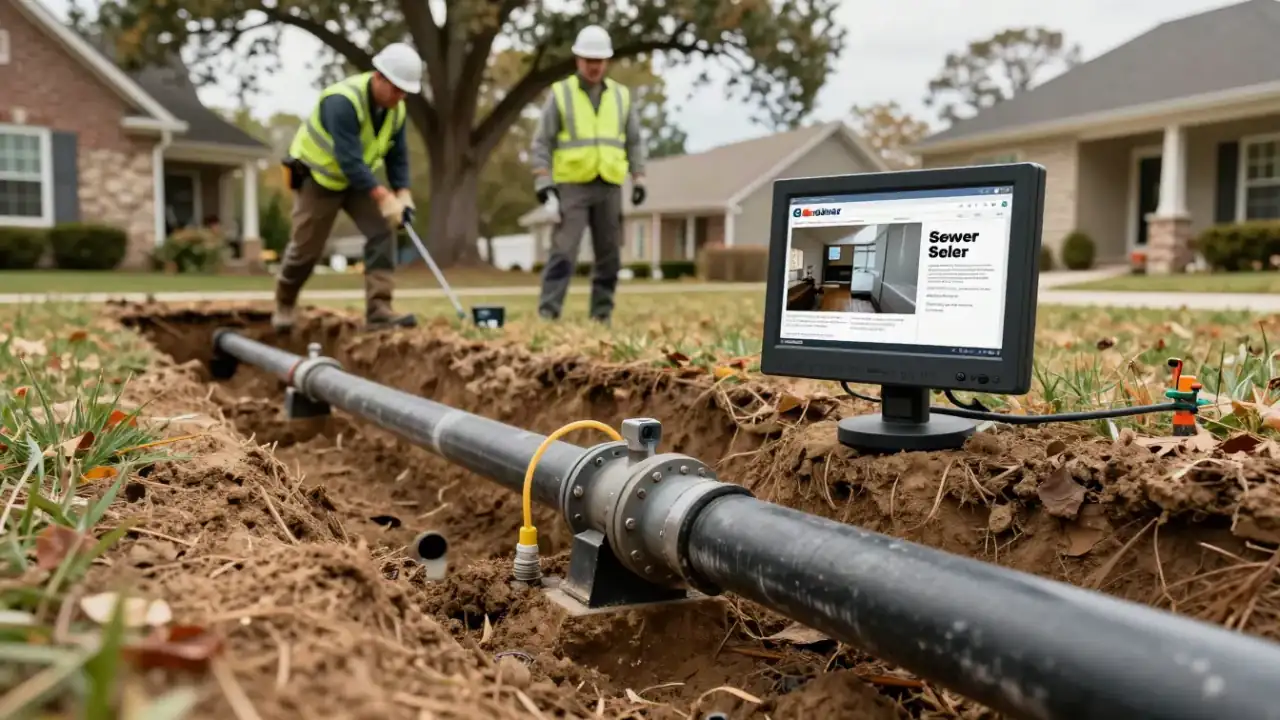
When a belly or offset affects a long stretch of pipe, trenchless repair replaces the run with minimal digging. We pull new pipe through the old line, protecting lawns and driveways across Roswell.
View service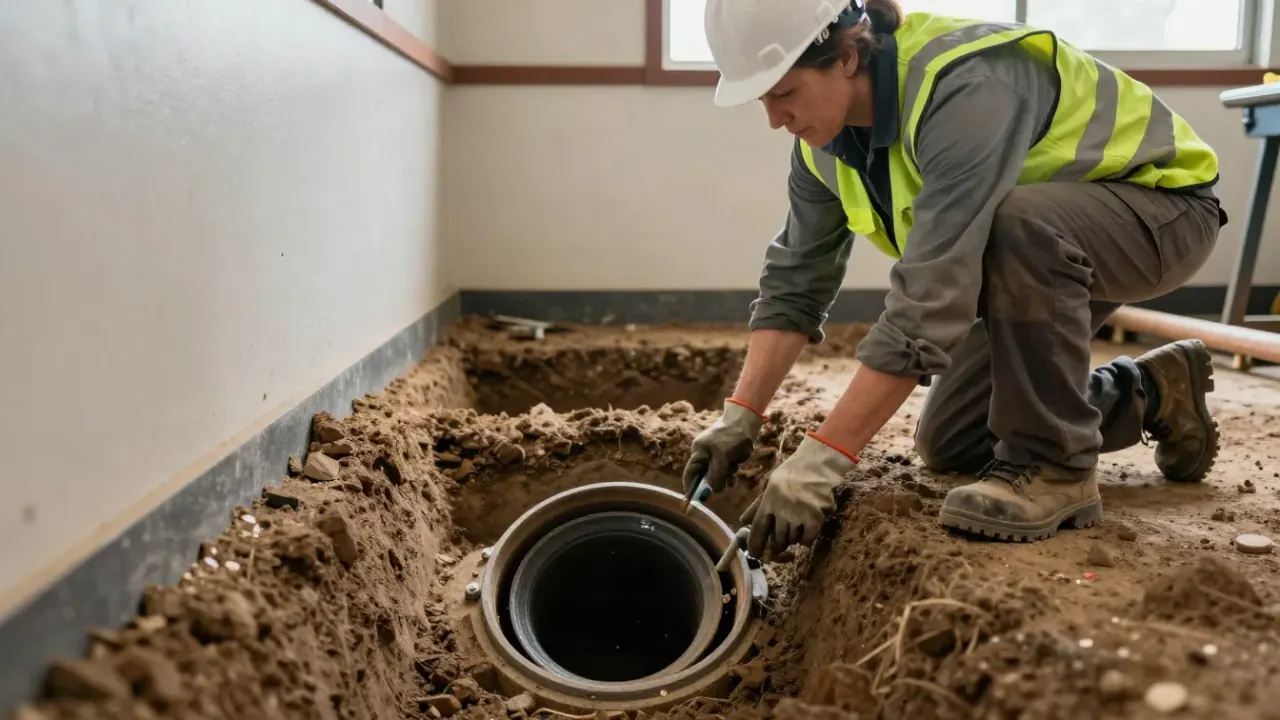
A cured-in-place liner restores a bellied or offset section from the inside. We invert an epoxy-saturated liner, cure it, and leave a smooth, root-proof pipe behind, often in a single day.
View serviceFor badly deteriorated clay tile or cast iron, pipe bursting pulls new HDPE pipe through while fracturing the old line outward. It is the go-to fix when a belly sits under a driveway or mature tree.
View serviceOne bad joint or a short sagging section does not always mean a full replacement. Spot repair cuts out the defect, reconnects with a flexible coupling, and restores grade at a fraction of the cost.
View service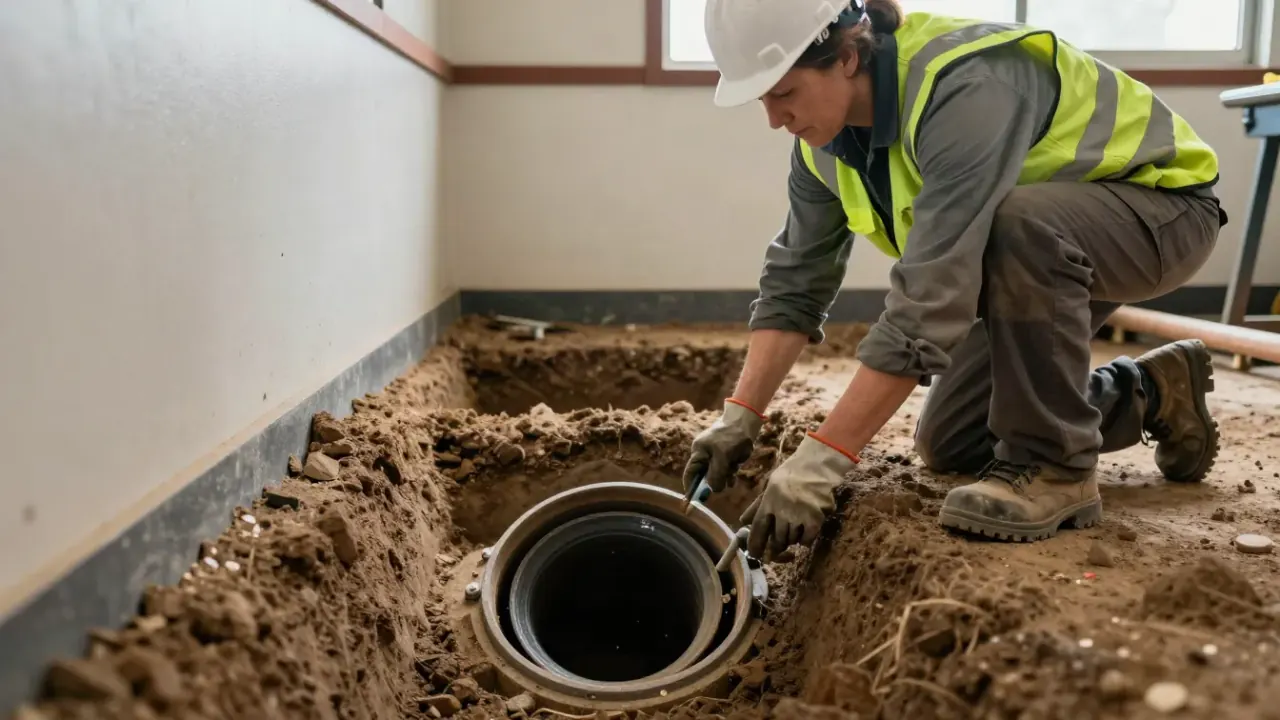
Call (770) 214-4809 any time, day or night, and a real person answers. For non-emergency work, we schedule camera inspections and repairs Monday through Friday, and we confirm your window before the truck rolls. Email works too if you prefer to send photos of the backup or the cleanout.