Focused arrival windows
Useful updates and clear arrival timing.
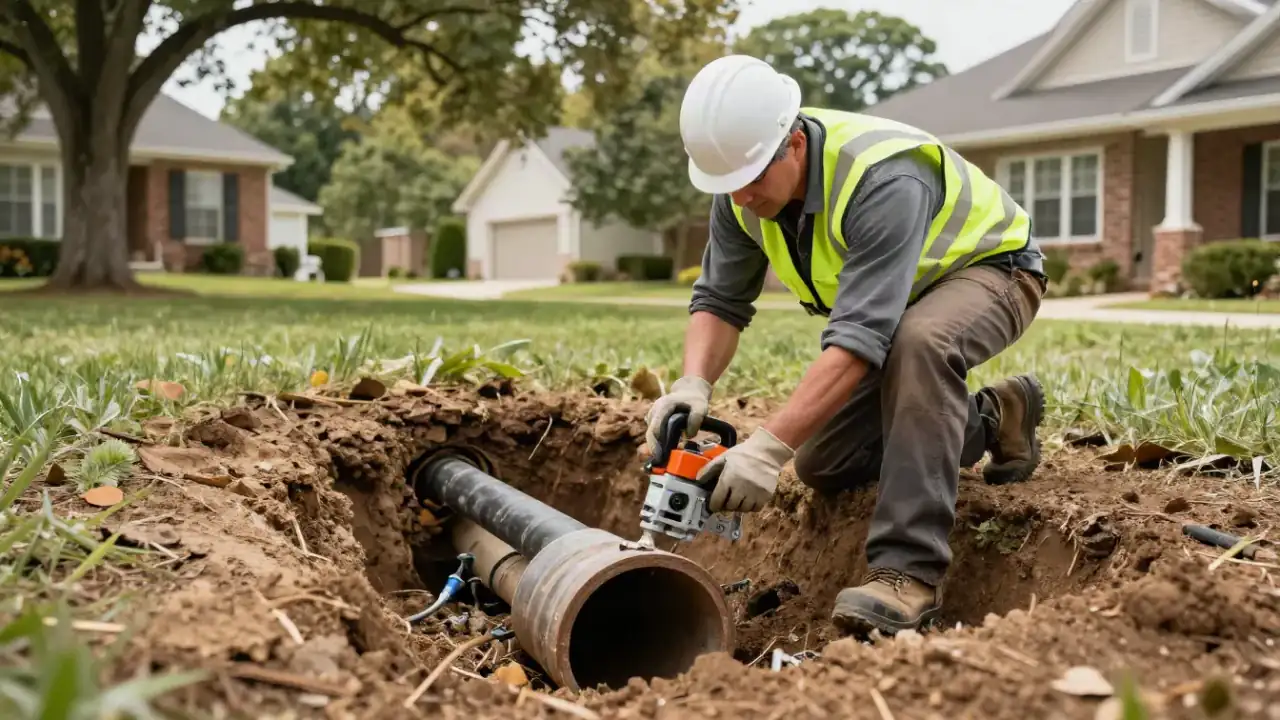
Spot Sewer Line Repair in Roswell fixes the damaged section of pipe instead of the whole run, so you keep your lawn, driveway, and mature trees. We camera the line, mark the break, and repair it trenchlessly, usually the same day. If your drain is slow, gurgling, or backing up, call (770) 214-4809 for localized sewer repair in Roswell before a small crack becomes a collapsed line.
Useful updates and clear arrival timing.
Review the approach and price before deciding.
Equipped vehicles and respectful cleanup.
Neighbors serving neighbors with follow-through.
Every spot repair job starts with a camera inspection and ends with a tested line. Here is what is covered in a standard repair, and what we quote separately if your line needs more than a spot fix.
We run a RIDGID camera through the cleanout and record the full lateral. You see the damage on the monitor. The recording is yours to keep, and it documents the before and after condition of the pipe.
A pipe locator traces the camera head above ground so we know exactly where to dig. We mark the spot and check for other utilities before any excavation starts. This keeps the pit small and the repair precise.
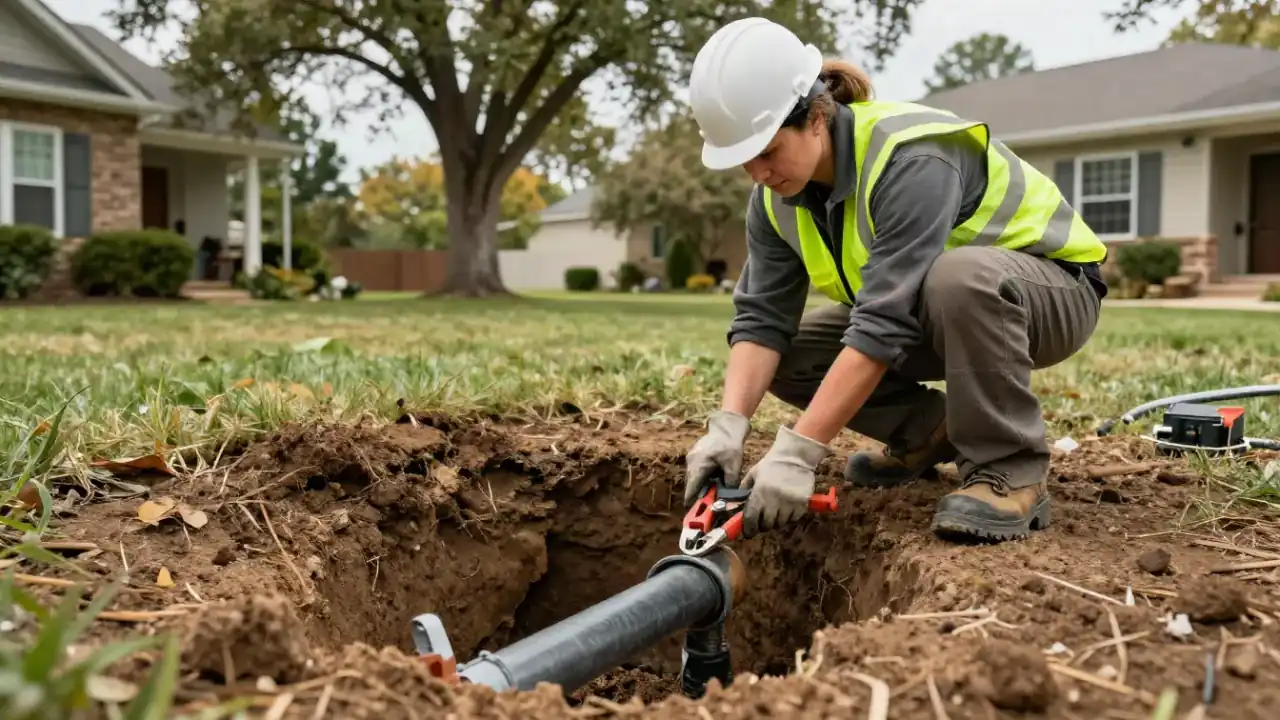
We expose the damaged section, cut it out, and install new PVC pipe with flexible couplings. The new section matches the inside diameter of your existing pipe so flow stays smooth. Most pits are 2 by 3 feet.
If roots caused the damage, we apply RootX or a similar root killer to the repaired area. This slows regrowth at the joint and buys years of service. It is included when roots are part of the problem.
We camera the line again and flush 20 gallons of water through it. You see the repair on screen and confirm the flow. If anything looks off, we fix it before backfilling.
The pit gets backfilled, compacted, and topped with your sod or gravel. We haul away the old pipe and debris. You get a written summary of the repair location and materials used.
Share what is happening and receive a clear next step from the local team.
Spot Sewer Line Repair in Roswell is a targeted fix that removes and replaces only the damaged section of your sewer lateral, usually 3 to 10 feet, rather than excavating the entire run. We run a sewer camera from the cleanout, locate the crack, root mass, or offset with a pipe locator, then open a small access pit or work through existing access points. The bad section comes out, a new piece of PVC pipe goes in, and flexible couplings or a pipe patch seal the joints. Most jobs finish in two to four hours.
Roswell's older neighborhoods, especially around the Historic District and Martin's Landing, still have clay tile and cast iron laterals that crack after decades of soil movement. Add the root intrusion that comes with mature oaks and pines, and you get the classic slow drain that turns into a weekend backup. If you have been searching for localized sewer repair near me Roswell GA, a camera inspection tells you in 20 minutes whether a spot fix or a full replacement is the right call.
We feed a RIDGID sewer camera through the cleanout and record the full run. You watch the monitor with us and see the crack, root intrusion, or bellied pipe firsthand. This takes 20 to 30 minutes and tells us whether spot repair is even the right answer.
A pipe locator traces the camera head above ground, and we mark the damaged section with paint and flags. We check for gas, water, and irrigation lines before any digging starts. You see exactly where the problem is and where we will work.
We hand-dig or use a small trencher to expose the pipe, usually 3 to 6 feet deep in Roswell. Confined space entry certification and OSHA 30 practices govern the pit. Most pits are 2 by 3 feet and backfilled the same day.
The damaged section is cut out with a root cutter or saw, and a new piece of PVC pipe is fitted with flexible couplings. If the surrounding pipe is clay tile, we match the inside diameter so flow stays smooth. This step takes 45 to 90 minutes.
We run the camera again, flush 20 gallons of water through the line, and confirm no leaks at the couplings. The pit gets backfilled, compacted, and topped with your sod or gravel. You get a written summary of what was repaired and where.
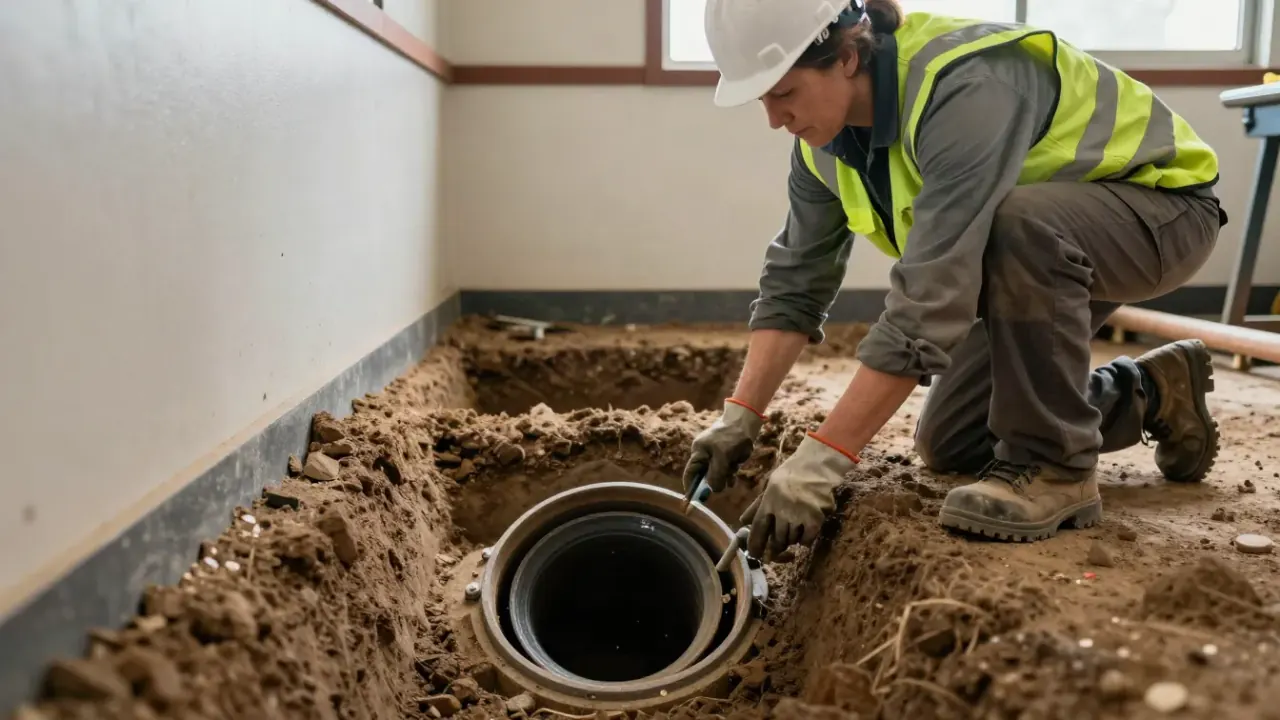
Records the inside of your lateral so we can see cracks, roots, offsets, and bellies. The footage is saved and shared with you.
Traces the camera head above ground so we know exactly where to dig. Keeps the access pit small and the repair targeted.
Clears grease, sludge, and soft root masses before we camera or repair. We use it when the line is clogged but not yet cracked.
Cuts roots out of the pipe without damaging the surrounding material. Used before a spot repair when roots are the cause.
Clears tough blockages in smaller lines and cleanouts. A backup when the hydro-jetter cannot reach or when the clog is solid.
Pulls new HDPE pipe through the old lateral when spot repair is not enough and full replacement is needed.
Installs an epoxy resin liner when the pipe is cracked but not collapsed. A trenchless alternative to replacement.
We follow NASSCO CIPP certification standards for lining and spot repair work. That means proper surface prep, resin saturation, and cure times. It is the difference between a liner that lasts 50 years and one that delaminates in five.
Any pit deeper than 4 feet is treated as a confined space. Our crews hold confined space entry certification and follow OSHA 30 practices, including atmospheric testing and a dedicated attendant. It keeps the job safe and code-compliant.
We join new PVC to existing pipe with flexible couplings that absorb minor ground movement. In Roswell's clay soils, that flexibility prevents the new joint from cracking the way the old one did. It is a small detail that adds years.
Every spot repair ends with a camera pass and a 20-gallon flush test. We confirm the couplings are leak-free and the slope is correct before backfilling. You see the result on screen.
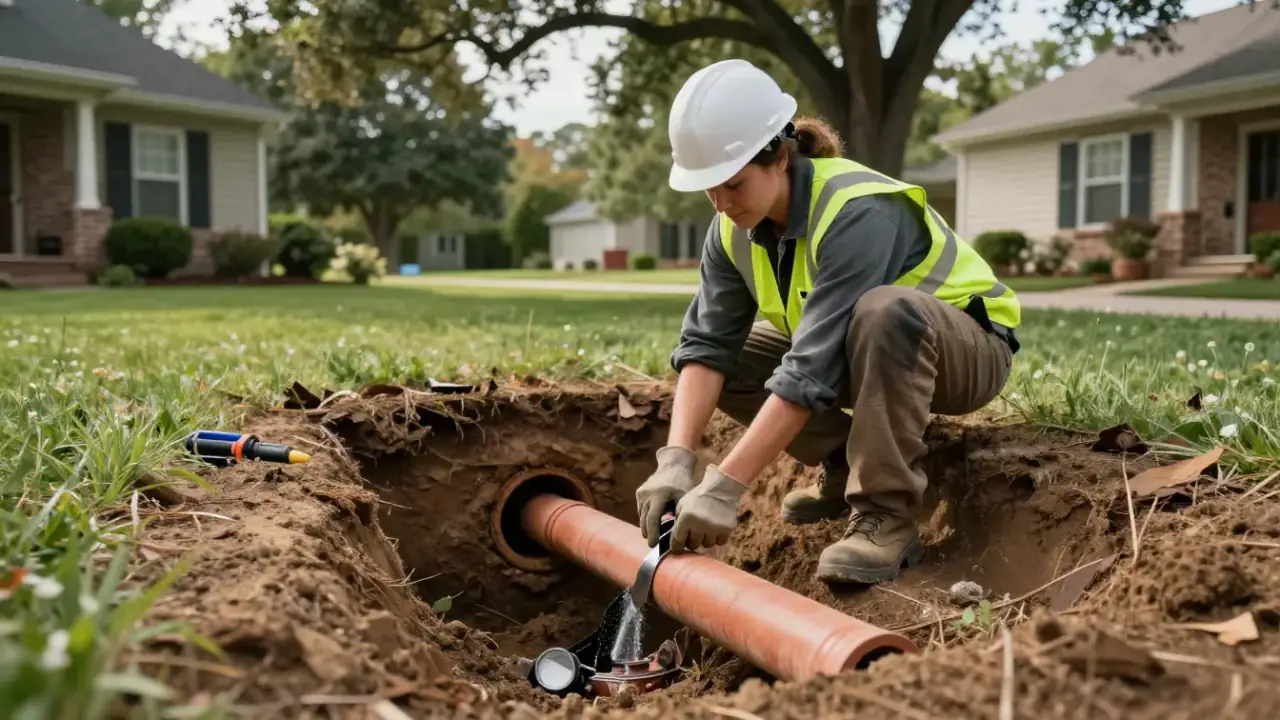
We camera the line, confirm the crack is isolated, and repair that section with PVC. We provide a post-repair video and a written summary for the closing file. Most sale-related spot repairs are done in one day. The buyer gets a repaired, tested line, and you close on schedule without a $10,000 replacement credit.
That pattern usually points to one blockage or one damaged section. We camera the line, find the spot, and either hydro-jet it or repair the pipe if it is cracked. We do not replace the whole lateral for a single problem. Drains flow normally again, and you know exactly what was wrong and where it was.
Repeat clogs at the same location mean the pipe is cracked and roots are re-entering. We cut the roots, replace the cracked section, and treat with RootX. That breaks the cycle instead of clearing it every spring. No more annual root clogs, and the repaired section is warrantied for two years.
That is often an offset or cracked joint leaking into the soil. We camera and locate the leak, then spot repair the damaged section. We also check the rest of the line for similar issues while we are there. The smell is gone, the leak is stopped, and the soil can dry out. Most repairs take half a day.
Roswell sits on clay-heavy soil and mature tree canopy, and both work against your sewer lateral. The clay expands when wet and shrinks when dry, which cracks brittle clay tile and cast iron pipe over time. Oak and pine roots find those cracks and grow in. In older neighborhoods like the Historic District and Barrington Hall, we still find original clay tile laterals that are 50 to 70 years old. Newer subdivisions like Hembree Grove and Wildwood Springs mostly have PVC, which holds up better but can still shift at joints. Fulton County requires a plumbing contractor license for this work, and we pull permits when the repair triggers one. If you are searching for spot repair sewer pipe near me Roswell, the first step is always a camera inspection. That tells us whether a spot fix, CIPP lining, or full replacement is the right call for your specific line. We work in ZIP codes 30075, 30076, and 30077 regularly, and we know the soil and pipe conditions in each.
Many homes here still have original clay tile laterals. We see more cracked pipe and root intrusion per mile than anywhere else in Roswell.
Mature trees and 1970s-era pipe make root intrusion common. Spot repairs here often involve cutting roots and replacing a cracked joint.
Larger lots mean longer laterals, so locating the damage precisely matters. A camera and locator save unnecessary digging.
Driveways and landscaping make trenchless spot repair the preferred option. We keep access pits small to protect hardscaping.
Cracks clay tile and cast iron laterals over time. Spot repair replaces the cracked section with PVC, which flexes instead of cracking.
Roots enter through cracks and joints, causing repeat clogs. We cut roots and repair the entry point, then treat with RootX.
Common in pre-1980 Roswell neighborhoods. These pipes are brittle and crack easily, but often only one section fails at a time, making spot repair ideal.
Saturated soil increases pressure on older pipes and can shift joints. We see more offset and bellied pipe calls after wet winters and springs.
A homeowner had a downstairs toilet backing up every few months. Camera inspection showed a 3-foot section of clay tile cracked by oak roots about 12 feet from the cleanout. Drain cleaner had been masking the problem for a year.
We cut the roots, removed the cracked section, and installed new PVC with flexible couplings. The line was camera-tested and flushed. Total job time was three hours. No backups in the 18 months since.
Maintenance: We applied RootX at the repair joint. The homeowner now flushes a root treatment every six months, which costs about $30 and keeps roots away from the new pipe.
Repeat clogs at the same spot for two years. Camera showed a 4-foot belly under the driveway edge where the pipe had settled. A full replacement quote was $11,000 because of the concrete.
We removed the bellied section and re-laid it at the correct slope with proper gravel bedding. The repair cost $2,100 and took one day. The driveway was untouched because we accessed from the yard side.
Maintenance: We recommend a camera check every two years to confirm the slope holds. The homeowner also avoids parking heavy vehicles on that edge of the driveway.
A sewage smell in the yard and a wet strip of grass near the property line. Camera showed an offset joint where two clay tile sections had shifted apart about an inch. Waste was seeping into the soil.
We cut out the offset section and installed a new PVC piece with flexible couplings that absorb minor movement. The leak stopped, the smell cleared within a week, and the repair passed camera inspection. Job took four hours.
Maintenance: We suggested a soil test in the affected area and reseeding. The flexible coupling should handle future ground movement without offsetting again.
Most sewer line failures start small: one crack, one root, one offset joint. Spot repair targets that failure before it spreads. Here are the problems we see most in Roswell and how we fix them.
Roots grow into the pipe, catch toilet paper and grease, and cause repeat clogs that drain cleaner cannot fix. Left alone, the roots widen the crack until the pipe collapses. We cut the roots with a root cutter or Picote tool, then remove the cracked section and replace it with PVC. A RootX treatment after the repair slows regrowth at that joint. Most root spot repairs take two to three hours.
A sagging section of pipe holds water and waste, which causes slow drains and repeat backups. Over time, the standing water corrodes the pipe from the inside. We measure the belly on camera. If it is under 5 feet, we remove that section and re-lay it at the correct slope with proper bedding. If it is longer, we show you the numbers and talk through replacement options.
An offset joint lets waste seep into the soil and groundwater. You may notice a sewage smell in the yard or a wet spot that never dries. It also catches debris and causes clogs. We cut out the offset section and install a new piece of pipe with flexible couplings that absorb minor ground movement. The repair is camera-tested before backfill. This is a common fix in older Roswell neighborhoods.
Roswell's clay soils expand and contract with wet and dry seasons, cracking brittle clay tile laterals. A cracked pipe leaks sewage and invites roots. It will not heal on its own. We replace the cracked section with PVC, which flexes slightly and resists cracking. If the rest of the clay tile is in good shape, a spot repair is all you need. We camera the full line to confirm.
$450 - $2,800 depending on depth, material, and access
Typical 2026 pricing for a spot sewer line repair in Roswell runs $450 to $2,800, with most jobs landing around $1,200. The variables are depth, pipe material, and access. A shallow PVC line is a quick fix. A deep clay tile line under a driveway takes longer and costs more. We camera the line first, show you the damage, and give you a written price before we dig. No surprises, no upsell to a full replacement if a spot repair solves it. If you have been quoted a full replacement, get a second opinion with a camera inspection.
A spot repair costs a fraction of a full lateral replacement, which often runs $6,000 to $15,000 in Roswell. You fix the actual problem, keep your yard, and get a warrantied repair. That is money well spent.
A lateral 3 feet down is easier and faster to access than one 8 feet down. Deeper pits require more excavation time and shoring. Depth is the single biggest cost variable in most Roswell spot repairs.
PVC cuts and fits quickly. Clay tile and cast iron take longer to cut cleanly and may need special couplings. If your line is original clay tile, expect the higher end of the range.
A repair in an open yard is straightforward. One under a driveway, patio, or mature root system may need trenchless methods or hand digging to protect the surface. We quote this before starting.
A 2-foot crack is a smaller repair than a 10-foot collapsed run. We measure the damage on camera and price by the foot. Most spot repairs are under 10 feet.
If roots caused the damage, RootX treatment adds about $150. If the surrounding pipe is marginal, CIPP lining may be recommended. We price these separately so you can decide.
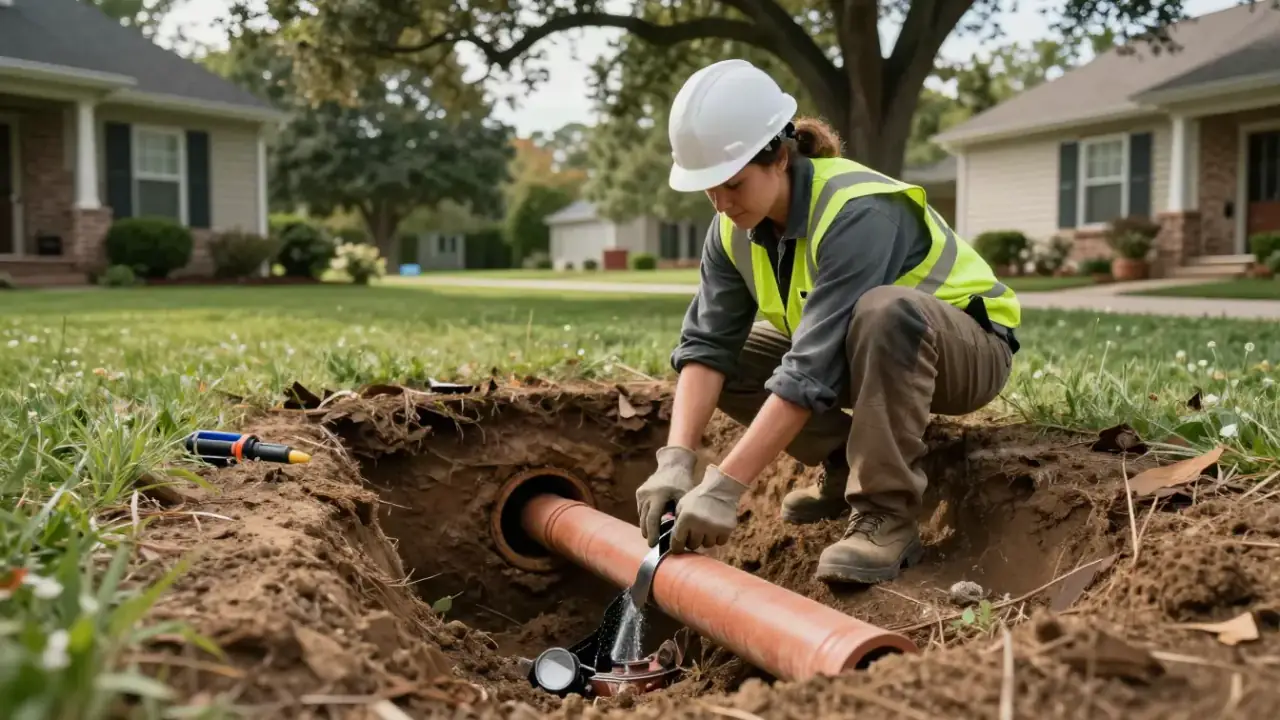
Our technicians hold a Georgia Plumbing Contractor License and carry CIPP installer certification and NASSCO CIPP certification for lining work. We run RIDGID, Spartan Tool, and General Pipe Cleaners equipment daily, and we know the difference between a root clog that needs a hydro-jetter and a cracked pipe that needs a spot repair. In Roswell, that judgment call is the whole job. Clay tile laterals, mature tree roots, and Fulton County code requirements are not surprises to us, they are Tuesday.
Our downstairs toilet backed up on a Sunday. They came out that afternoon, cameraed the line, and found roots at a cracked joint about 12 feet out. Spot repair was done Monday morning in under three hours. They replaced about 4 feet of clay tile with PVC and we have not had a backup since. Yard looks untouched.
I got three quotes and two of them pushed a full replacement at $9,000. These guys showed me the camera footage and said only one section was bad. Spot repair cost me $1,400. That was two years ago and the line still flows perfectly. Honest work and they cleaned up the pit like they were never there.
We had a bellied pipe under the driveway that caused repeat clogs. They explained that a short belly could be spot repaired but ours was borderline. We went with the spot repair and they re-graded that section. Six months later, no clogs. They also gave us a camera video of the finished work, which was nice.
Most spot repairs in Roswell run $450 to $2,800, with the average around $1,200. Depth is the biggest factor: a line 3 feet down is easier to reach than one 8 feet down under a driveway. Pipe material matters too, since clay tile and cast iron take longer to cut and fit than PVC. Camera inspection is included in the quote, and you approve the price before we dig.
Yes, for the repaired section. A properly installed PVC patch with flexible couplings lasts 25 to 50 years. The rest of your lateral is a separate question. If the remaining clay tile is cracked or root-filled, we will show you on camera and talk through lining or replacement options. The spot repair itself is permanent, not temporary.
Choose spot repair when the damage is isolated to one section and the rest of the pipe is structurally sound. If the camera shows one crack, one root mass, or one offset in an otherwise good line, spot repair saves you thousands. If the pipe is collapsed, back-pitched, or cracked every few feet, full replacement or CIPP lining is the better investment.
Sometimes. A short belly, under 5 feet, can be corrected by removing the sagging section and re-laying it at the right slope with proper bedding. A long, deep belly across 20 feet or more usually needs full replacement because re-grading that much pipe is not cost-effective. We measure the belly on camera and give you both numbers before you decide.
Not seeing your question? Our local team can help you understand urgency, scheduling and what to expect.
Ask the local team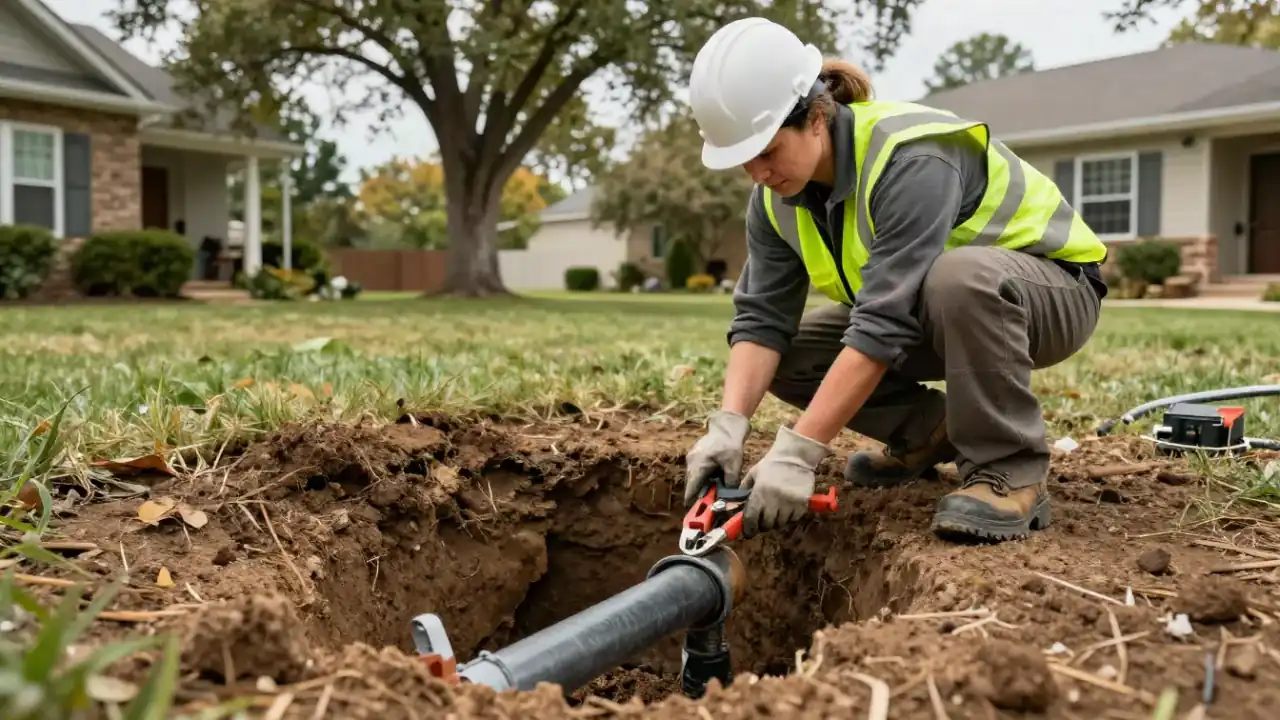
When the damage runs longer than a spot repair can cover, trenchless repair replaces the lateral with minimal digging. We use the same camera and locator data from your spot repair inspection to plan the pull, so nothing is duplicated.
View service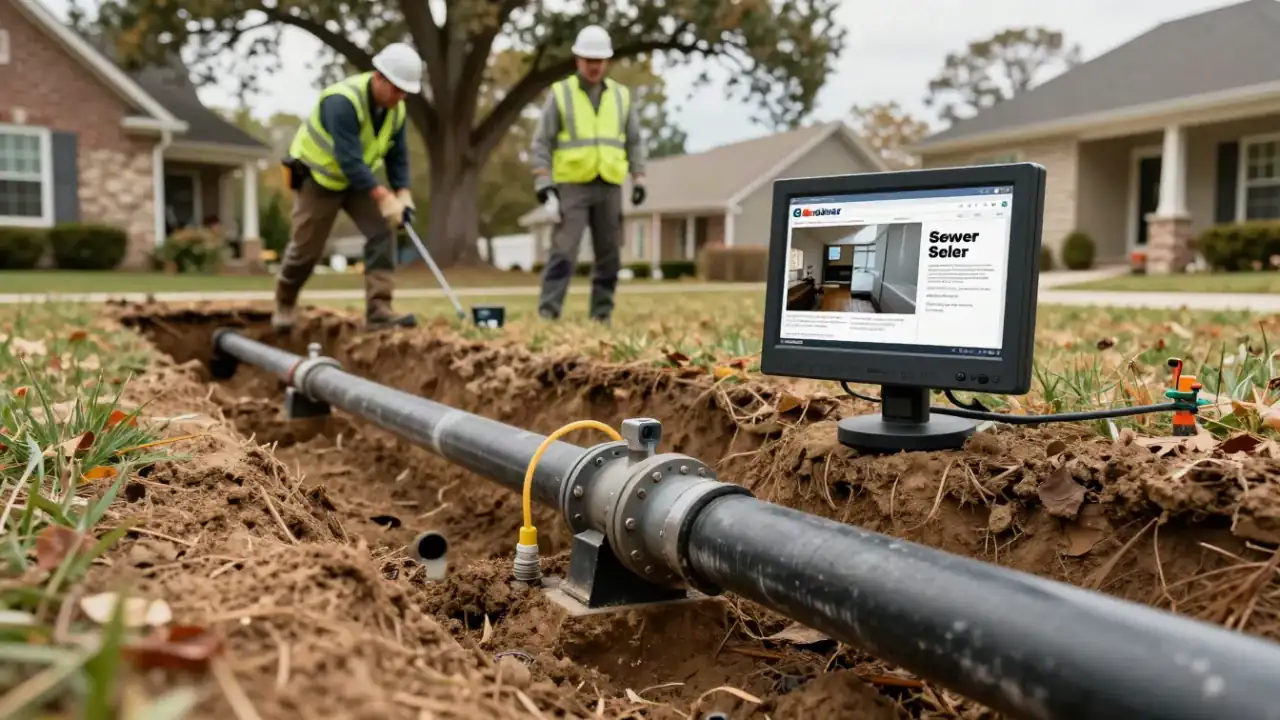
CIPP lining is the next step up from spot repair when the pipe is cracked but not collapsed. We invert an epoxy resin liner through the existing pipe, and it cures into a new structural wall. It pairs well with a spot repair on a separate section.
View service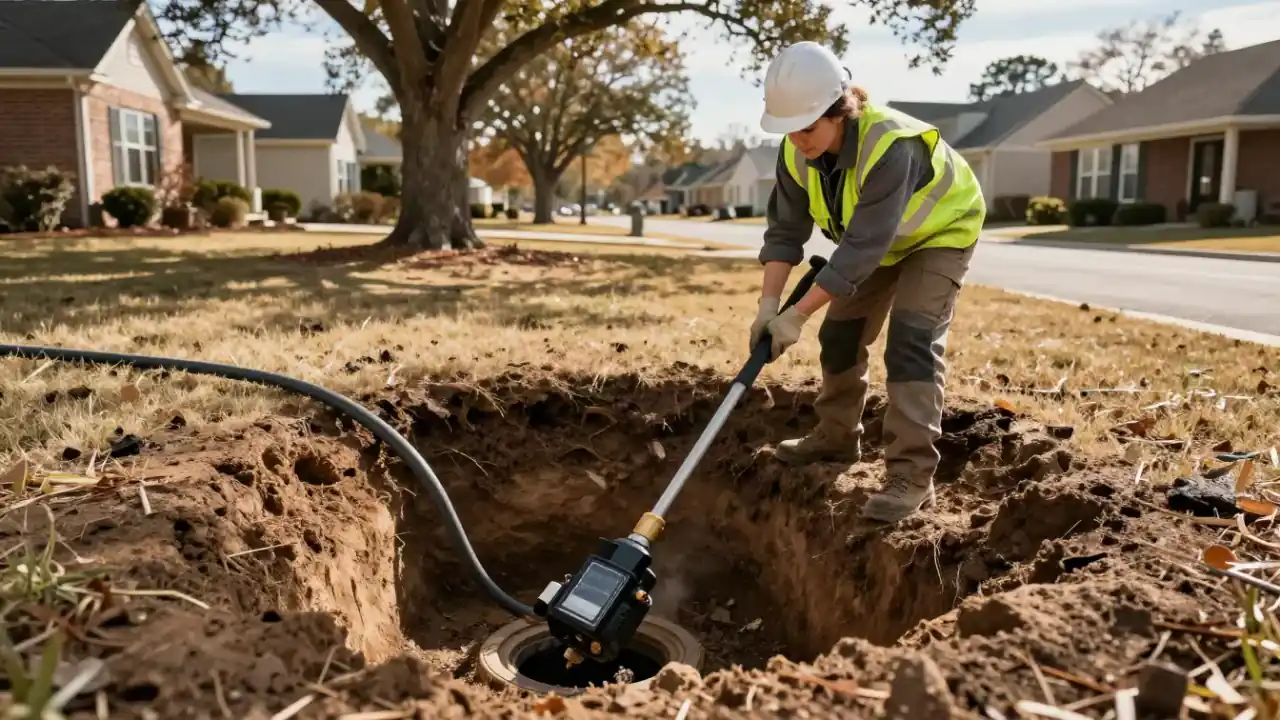
Pipe bursting replaces the entire lateral by pulling a new HDPE pipe through the old one, fracturing it outward. It is the right call when spot repair is not enough and the pipe is undersized or badly deteriorated. We handle it with a HammerHead bursting machine.
View serviceEvery spot repair starts with a camera inspection. We record the full run, mark the damage, and give you a copy. If you are buying or selling a home in Roswell, this is also the inspection your real estate agent will ask for.
View service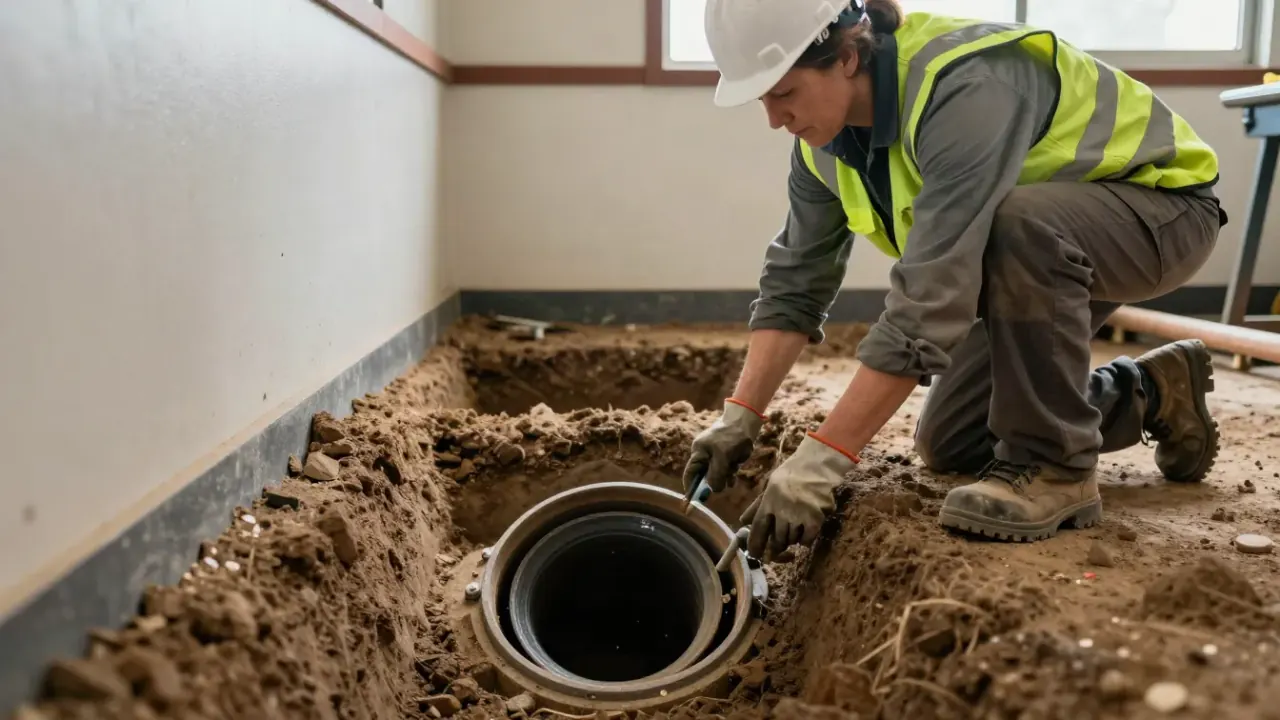
Call (770) 214-4809 any time, day or night, and a real person answers. For non-emergency work, we schedule camera inspections and repairs Monday through Friday, and we confirm your window before the truck rolls. Email works too if you prefer to send photos of the backup or the cleanout.